
How AV Learning Tools and Pilates Techniques Work Together to Reduce Student Burnout
Student burnout isn’t one single problem. It’s the slow buildup of exhaustion, pressure, lack of movement, and overstimulation that eventually makes learning feel heavier than it should.
Anyone who has spent long hours in classrooms, whether physical or virtual, knows that the mind gives up much sooner when the body is locked into one position and the learning environment asks for constant attention without offering any real support.
What’s interesting now is how schools, training centers, and even small learning collectives are beginning to combine two things that normally exist in completely separate worlds: AV learning tools and Pilates. At first glance it seems like quite the unusual pairing, but the two actually complement each other in many ways that directly help with burnout, focus, and overall stamina.
Reimagining the Learning Environment With AV Tools
A lot of classroom exhaustion comes from how information is presented. When everything is text-heavy or delivered in long lectures, students struggle to stay engaged no matter how motivated they are. Better audio, clearer visuals, short interactive segments, and materials students can revisit later can change the entire pace of learning.
This is where modern classroom AV learning solutions come into the picture. They make learning feel lighter. Not easier, but more digestible. Audio that doesn’t strain the ears. Visuals that don’t require students to squint.
Recorded lessons that can be replayed so no one has to cling to every word and develop a fear of missing out on something. When the delivery is smoother, students don’t burn through their mental energy so quickly.
There’s also consistency. Good AV setups keep the learning experience steady rather than chaotic. No sudden microphone failures, no blurry projections, no frantic rushing to catch up because the material wasn’t clear. These little reductions in stress add up.
Adding Movement Back Into Learning Through Pilates
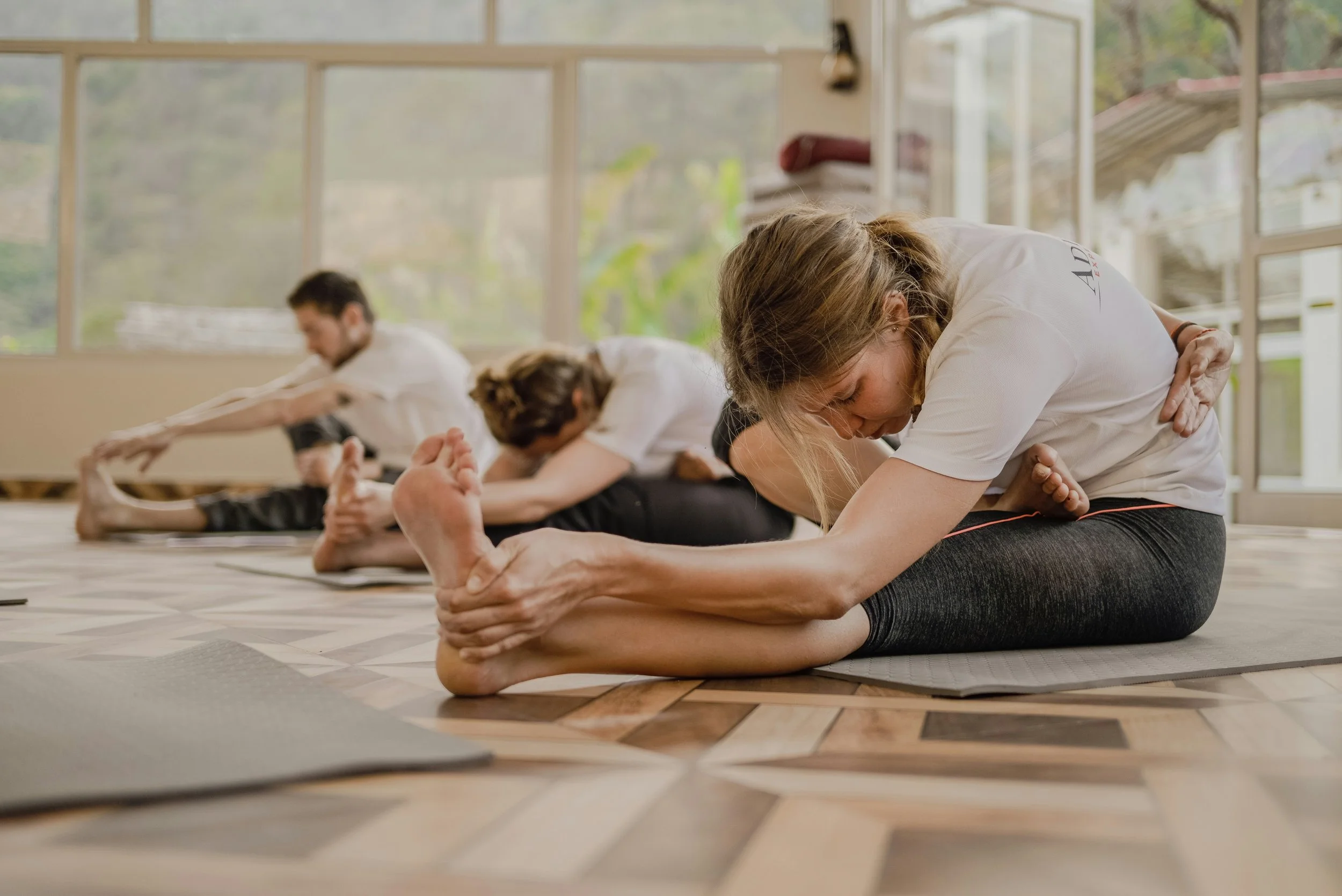
Pilates might look like it belongs in a studio far away from any academic setting, but its principles fit the needs of students surprisingly well. Most learners stay seated for long periods, absorbing huge amounts of information while their bodies barely move. Over time, the posture slouches, the shoulders tighten, the breath shortens and focus drops with it.
Pilates can help reverse that pattern. It teaches students to reconnect with their bodies: breathing fully, activating the core, softening the jaw and neck during periods of strain.
These are skills people can apply in tiny, discreet ways. You don’t have to be on the mat or reformer — you can do it even while sitting at a desk. Just a few minutes of mindful breathing or subtle stretching can reduce the physical fatigue that often gets mislabeled as “mental burnout.”
When schools integrate short Pilates-based movement breaks, students usually return to the lesson more alert. Not jumpy or overstimulated, but calm, centered, and able to absorb information again. It also encourages a healthier relationship with sitting. Instead of collapsing into the chair, students learn to hold themselves in a way that keeps the body awake.
When the Two Approaches Support Each Other
The interesting part is what happens when AV learning tools and Pilates techniques are used together rather than separately.
Clearer, more engaging lessons mean students aren’t already running on fumes. Their attention lasts longer, and they don’t have to push through the fog of tired eyes or bad audio. On top of that, short Pilates-inspired resets prevent the body from sinking into the physical discomfort that often triggers mental shutdown. One supports the mind, the other supports the body.
For example:
A lecture that would normally require continuous focus becomes easier to absorb when broken up with short breathing resets.
A long study session feels less draining when students shift their posture and engage their core for just a minute or two.
Reviewing recorded materials becomes more productive when students are not stiff, compressed, or struggling with fatigue.
This combination doesn’t overhaul the entire learning system. It simply improves two major contributors to burnout: environmental strain and bodily tension.
Final Thoughts
Schools and educators often try to fight burnout by restructuring schedules or adding more breaks. Those help, but they don’t always address why students burn out in the first place. AV tools make the learning environment smoother and more forgiving. Pilates restores the physical balance that long hours of sitting erode.
Together, they encourage a learning rhythm that feels more humane. Information flows more clearly. Students breathe better, sit better, and move better. The classroom stops being a place where the mind works and the body shuts down. Instead, both work together, which is how people actually function at their best.
Burnout isn’t solved overnight, but when students can both receive information with less strain and carry themselves with more awareness, the difference is significant. And unlike dramatic reforms, this combination is realistic, affordable, and surprisingly easy to integrate into everyday routines.