

How Smart Interior Design Can Turn a Small Mobile Home Into the Perfect Pilates Space
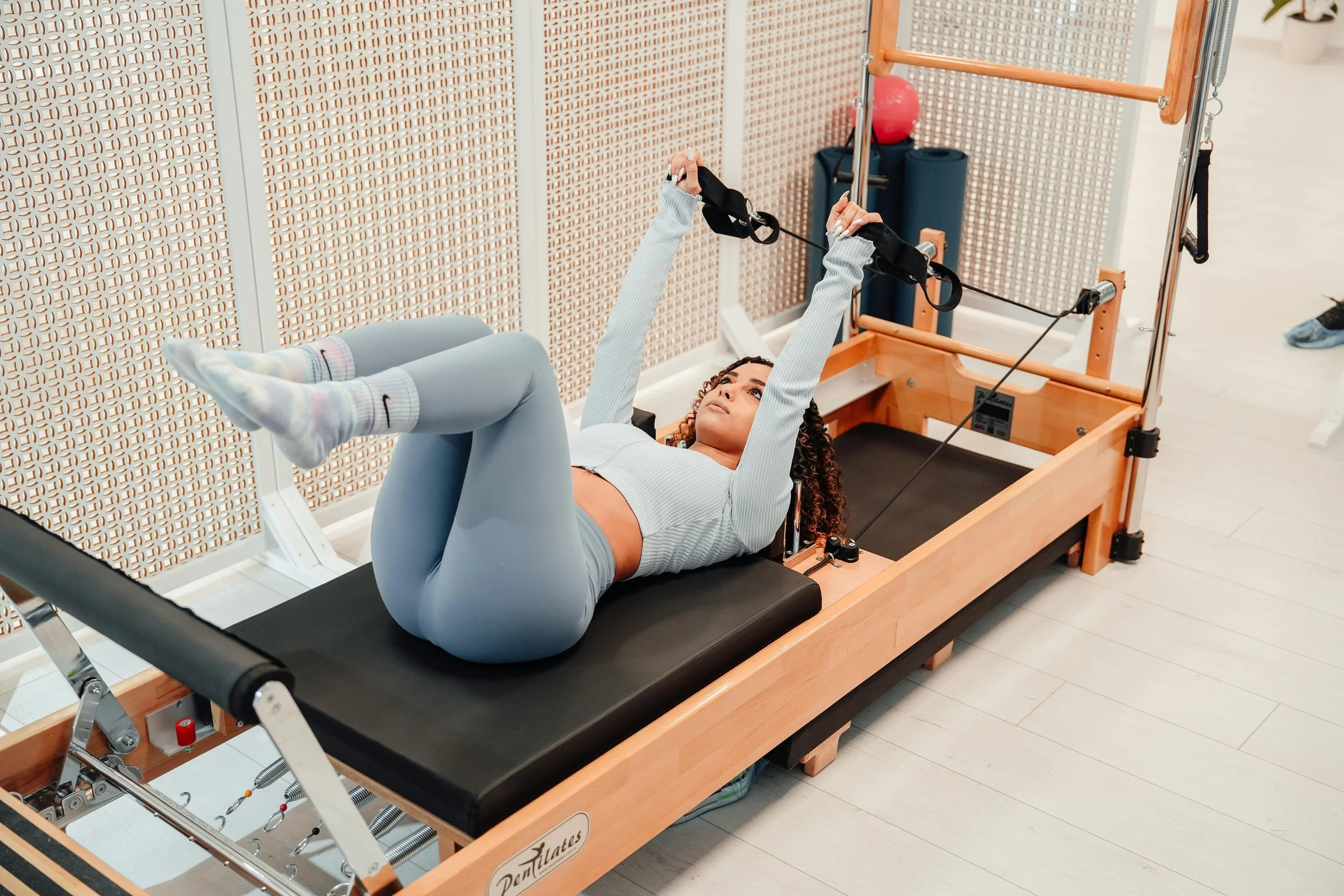
Good design makes a space easier to use and in a small mobile home, that difference shows up fast.
Pilates depends on control, breathing, and steady movement. Your space either supports that or works against it. Tight layouts, poor storage, and clutter can interrupt your flow within minutes. A well-planned setup removes those problems before you even start.
If you’re working with a small home, don’t fret. It can still function like a dedicated Pilates space. The goal isn’t more room, but it’s better use of what is already there.
Space Maximization
Small spaces require clear decisions. Every item needs a purpose and a place.
Start with your largest equipment. A foldable reformer saves several feet of floor space once stored. Wall-mounted bars or hooks keep rings, straps, and resistance bands off the ground. This clears the floor, which is the most valuable surface in any Pilates setup.
Vertical storage also works well in modern mobile homes. Shelving units that run 5 to 6 feet high can store mats, blocks, and towels without taking up much floor space. Closed storage, such as cabinets or bins, keeps the room from looking busy.
A single area can serve two roles. For example, a 6 x 8 foot section of the room can act as your workout space in the morning and a sitting area later in the day. This only works if setup and cleanup take less than five minutes.
The more time it takes to prepare your space, the less likely you are to use it.
Visual Expansion
A small room doesn’t need to feel small. Mirrors change how you perceive space. A full-length mirror, around 5 to 6 feet tall, reflects both light and movement. This makes the room feel deeper and helps you correct form during exercises.
Color choice also matters. For instance, light tones such as white or pale beige reflect more light. Dark walls absorb light and make the room feel tighter.
Keep furniture low and simple. Bulky pieces block sightlines and break up the space. Open floor area creates a stronger sense of flow, which matters during transitions between exercises.
Look around your space for visual noise. Too many items on display can pull your attention away from your body. A clear space supports focus.
Equipment Efficiency
You don’t need a full studio to follow a complete Pilates routine.
Many Pilates exercises rely on body weight and controlled resistance. A compact reformer, resistance bands, and a mat can support most routines. Many foldable reformers reduce their size by nearly half when stored, which makes them practical for small homes.
Storage should match how often you use each item. Daily equipment should sit within arm’s reach. Less-used items can go into closed storage.
A storage bench works well in small spaces. It provides seating and hidden storage in one piece. This reduces the number of items in the room.
A good setup removes friction. You should be able to start your session within one or two minutes.
Zoning Without Walls
Clear zones help you stay consistent. Even in a small space, you need structure.
Physical walls take up space and block light. Instead, use simple markers to define areas.
A rug can outline your workout zone. Choose one that matches the size of your mat or slightly larger. Lighting can also separate areas. A brighter light above your workout space and a softer lamp in a rest area create a clear shift in purpose.
Curtains or sliding panels add flexibility. You can close them during a session to limit distractions, then open them to bring the space back together.
This setup keeps the room open but still organized. You know where each activity belongs.
Light and Atmosphere
Lighting affects both mood and performance. Natural light improves visibility and helps regulate your energy levels. A window-facing setup works well for morning sessions. If possible, position your mat or reformer within 3 to 5 feet of a window.
If using artificial lighting, it should support different phases of your workout. Use brighter overhead lighting during active sequences, and switch to softer lighting during stretching or cooldown.
Temperature and airflow also play a role. A small fan or open window keeps air moving. Stale air can make the room feel smaller and less comfortable.
A calm space supports steady breathing. That directly affects how well you perform each movement.
Clutter-Free Mindset
Clutter builds quickly in small homes, and it often breaks concentration.
For a better setup, make sure that each item has a fixed place. Hooks for bands, a bin for blocks, and a shelf for towels create a simple system. Once you finish a session, everything goes back to the same spot.
This reduces decision-making, so you don’t waste time looking for equipment or clearing space.
A clean setup also supports mental focus. Pilates requires attention to small details, such as alignment and breathing. A cluttered room competes for that attention.
The Bottom Line
A small mobile home can support a full Pilates routine. Space isn’t the limiting factor. The truth is, layout and consistency matter more. When each part of the room has a clear role, your practice becomes easier to maintain.