

Simple Daily Habits to Boost Your Well-Being from Head to Toe
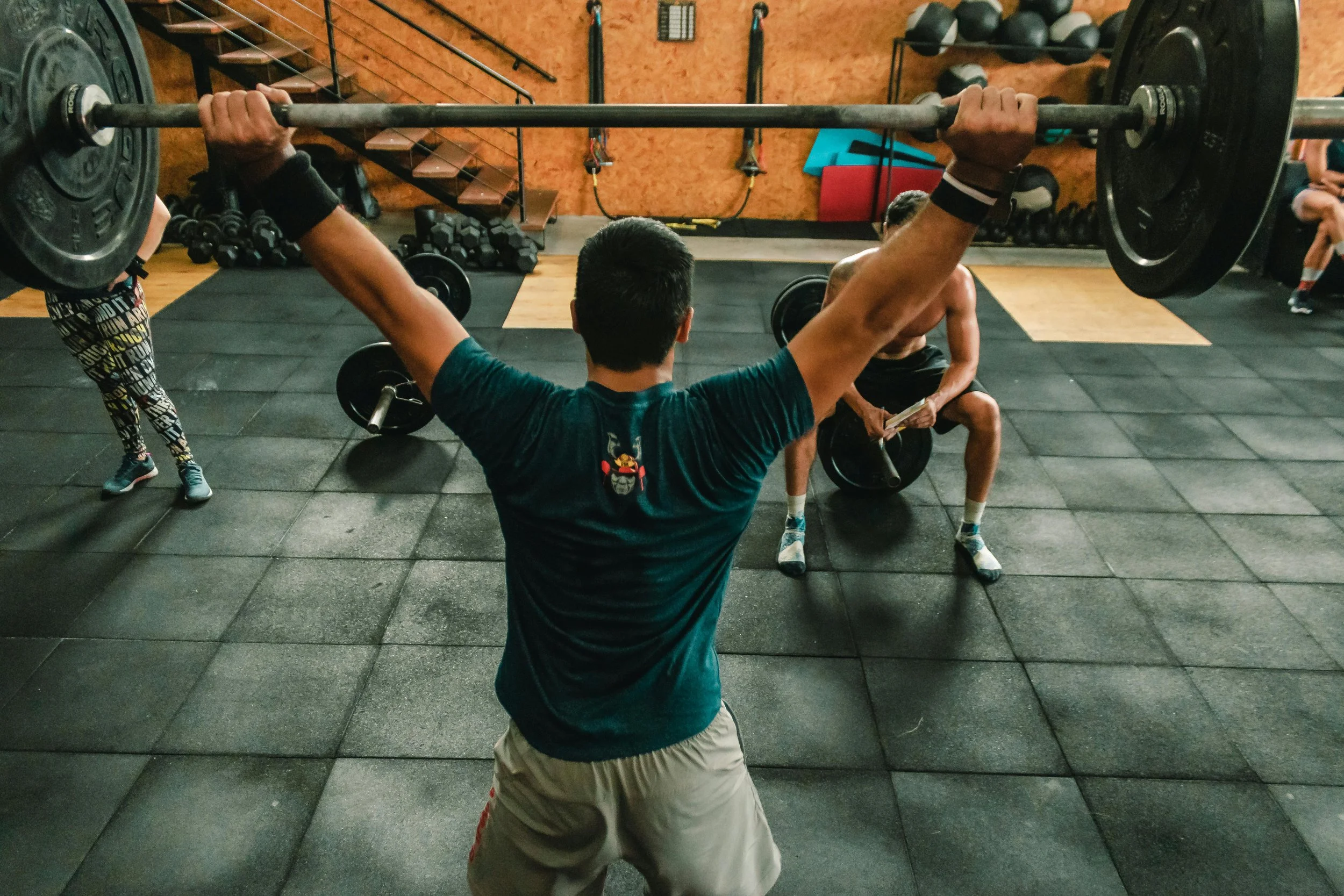
Local adult beginners in Mechanicsburg and Camp Hill often carry the same quiet frustration: daily health challenges pile up, but motivation and time feel scarce, and fitness classes don’t always fit real schedules. When stress is high and energy is low, even “simple” self-care can start to feel like one more task that never gets done. A steadier approach comes from simple head-to-toe strategies that support flexibility and well-being without demanding perfection, including gentle Pilates wellness integration for bodies that are stiff, sore, or starting from scratch. Small, consistent habits can make feeling better feel possible again.
Quick Summary: Daily Habits for Whole-Body Well-Being
Practice a daily stretching routine to ease tension, support mobility, and feel more comfortable in your body.
Prioritize restorative sleep habits to help your body recover and steady your mood.
Use mindfulness for stress to calm your nervous system and feel more grounded day to day.
Follow skin care essentials to protect your skin and support a healthy, cared-for glow.
Support oral hygiene practices and hydration benefits to strengthen overall health from the inside out.
Understanding Whole-Body Wellness
It helps to name what “well-being” really means. Holistic health is the idea that your body and mind work as one system, so small daily routines add up across both. The goal is to treat the whole person, much like integrated behavioral health connects physical and emotional care.
For adults doing Pilates, this matters because stiffness, stress, and poor sleep tend to travel together. Gentle flexibility work supports comfort because stretching maintain range of motion in your joints. Better sleep can lift mood, boost energy, and improve how your body recovers between sessions.
Think of your day like a practice. A short morning stretch helps you move easier, and calmer breathing helps you focus at work. A steady bedtime routine makes tomorrow’s class feel more doable, not draining.
With this mindset, simple habits become easier to choose and stick with.
Head-to-Toe Habits That Fit a Pilates Life
Try these small practices between classes.
When life feels heavy or unpredictable, repeating a few simple routines can restore a sense of control and care. For local adults building Pilates into their wellness plan, these habits support strength, recovery, and steadier mood without requiring perfection.
Morning Mobility Sweep
What it is: Do a 3-minute neck, spine, hip, and ankle stretch sequence.
How often: Daily
Why it helps: Looser joints make Pilates cues feel safer and more accessible.
Bedtime Wind-Down Loop
What it is: Dim lights, park your phone, and take 10 slow breaths.
How often: Nightly
Why it helps: A consistent cue helps your body shift into rest and recovery.
Nature Steps Reset
What it is: Walk outside for 10 minutes after lunch, noticing sights and sounds.
How often: 3 times weekly
Why it helps: nature prescription trials link outdoor time with better mood and activity.
Skin Cleanse and Seal
What it is: Gently cleanse, then moisturize while skin is still slightly damp.
How often: Daily
Why it helps: It supports your skin barrier, especially after sweat and showers.
Connection Check-In
What it is: Text or call one person you trust and share one honest update.
How often: Weekly
Why it helps: close relationships protect well-being during stressful seasons.
Choose one habit to start this week and adjust it around your family’s rhythm.
Connecting Well-Being to Lifelong Learning and Growth
Sometimes, building physical and emotional steadiness opens the door to a new kind of confidence — the desire to grow in other areas of life, too. For some, that might mean exploring creative expression, volunteering, or pursuing anonline degree in business to strengthen professional balance alongside personal well-being. Structured learning can complement daily wellness habits by introducing focus, routine, and purpose — qualities that echo the same consistency needed to maintain long-term health.
Just as gentle movement builds flexibility over time, sustained learning builds adaptability — helping adults stay resilient through life’s changes and challenges. Whether you’re adding new skills, shifting careers, or simply nurturing curiosity, both practices reinforce the same truth: growth happens one small, steady step at a time.
Common Questions for Calmer, Healthier Days
If stress is spiking, small anchors can still steady you.
Q: What are some simple stretching exercises to include in a morning routine for better flexibility?
A: Try a 3 to 5 minute flow: neck circles, shoulder rolls, cat-cow, hip circles, and ankle pumps. Keep it gentle and breathe out on the “effort” part of each move so your body does not brace. On rushed mornings, pick just one tight area and do 60 seconds.
Q: How can I create a bedtime routine that improves my sleep quality and overall restfulness?
A: Choose a repeatable cue: dim lights, set your phone out of reach, and do 10 slow breaths. Add one hygiene step like brushing to signal “day is done,” since two minutes twice a day supports oral health and builds consistency. If your mind races, write three quick worries on paper and close the notebook.
Q: What mindfulness or breathing techniques help reduce daily stress effectively?
A: Use box breathing: inhale 4, hold 4, exhale 4, hold 4 for 2 to 3 rounds. Name what you feel in one sentence, then soften your jaw and unclench your hands. This is especially helpful before Pilates when uncertainty makes you tense.
Q: How important is hydration for maintaining both physical energy and mental focus throughout the day?
A: Hydration affects stamina, concentration, and how “heavy” stress feels in your body. Keep a bottle where you work and take 6 to 10 sips before coffee or errands. If plain water is hard, pair drinking with a routine you already do, like after brushing.
Build Steadier Well-Being with One Daily Habit at a Time
When life feels heavy, it’s easy to want better health but struggle to stay consistent, especially when stress spikes or routines break. The approach here is a long-term wellness commitment built on motivational health strategies and supportive well-being guidance, small daily simple habits, repeated with patience, as part of a sustained fitness journey. Over time, those gentle repeats create steadier energy, calmer days, and more trust in your body’s signals. Consistency grows from kindness, not pressure. Choose one simple habit to practice this week, and return to it tomorrow even if today didn’t go as planned. That steady return builds resilience and a more stable foundation for well-being.