

How Pilates Exercises Can Change Your Mental Health For The Better Now
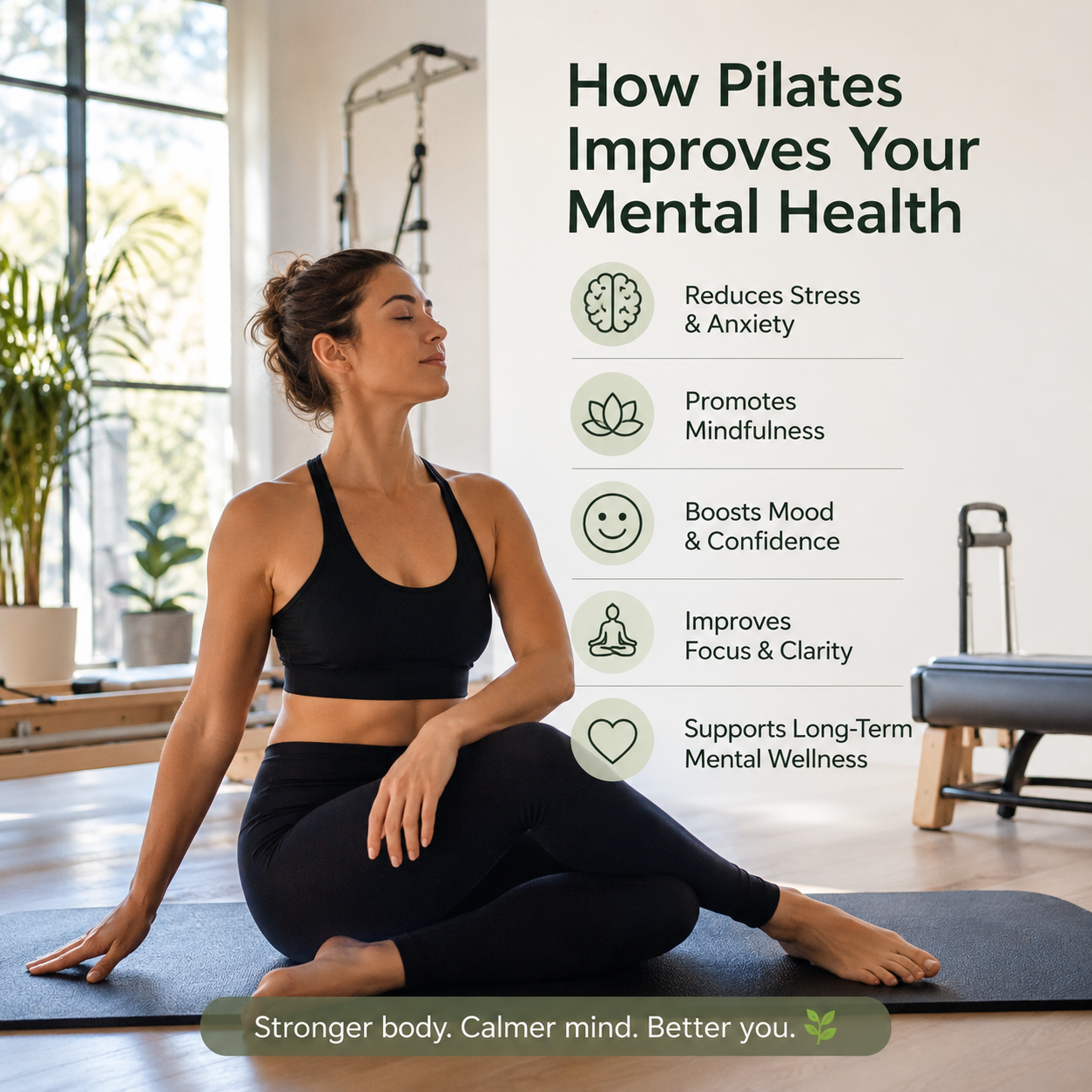
When people think about Pilates, they usually picture toned abs, a stronger core, and better posture. Those benefits are real, but they only tell half the story. What often gets overlooked is how deeply this practice can reshape the way you think, feel, and cope with daily stress. Pilates isn't just a workout for your body; it's quietly one of the most effective tools for mental wellness that most people never talk about.
If you've been feeling mentally foggy, overwhelmed, or stuck in a cycle of stress that never seems to let up, the answer might not be another to-do list app or a new productivity hack. It might be a mat, some breathwork, and twenty minutes of intentional movement. This article breaks down exactly how Pilates supports your mind, not just your muscles, and why now is the perfect time to give it a real shot.
The Mind-Body Connection Pilates Was Built On
Joseph Pilates, the man behind the method, never intended for his practice to be just another fitness trend. He designed it around a philosophy he called "Contrology," the idea that true health comes from the complete coordination of body, mind, and spirit. This wasn't a marketing slogan; it was the foundation of every single exercise he created.
Unlike workouts that ask you to zone out and simply push through reps, Pilates demands your full attention. Every movement is tied to your breath. Every stretch requires you to engage specific muscles while relaxing others. You can't scroll your phone or think about tomorrow's meeting while balancing on a reformer or holding a controlled roll-up. Your brain has to show up just as much as your body does.
This constant mental engagement is what separates Pilates from many other forms of exercise. Research into mindful movement has shown that when people focus intently on their breath and body position, the nervous system shifts out of a stress response and into a calmer, more regulated state. Essentially, Pilates trains your brain to be present, which is a skill that carries over into every other part of your life, from work meetings to family conversations.
This is also why so many therapists and counselors now recommend movement-based practices alongside traditional talk therapy. The body holds tension that words alone can't always release, and Pilates offers a structured, safe way to work through that tension physically.
Pilates as a Natural Stress Reliever
Stress doesn't just live in your head; it lives in your shoulders, your jaw, your lower back, and your breath. Chronic stress keeps your body locked in a state of alert, with shallow breathing and tight muscles becoming the norm rather than the exception. Over time, this takes a toll not just physically but emotionally too.
Pilates directly targets this cycle. The method places heavy emphasis on deep, diaphragmatic breathing paired with slow, controlled movement. This combination activates the parasympathetic nervous system, often called the "rest and digest" system, which is responsible for calming the body down after periods of stress. Instead of leaving a session feeling depleted, most people leave feeling lighter, clearer, and noticeably calmer.
There's also something powerful about the rhythm of a Pilates class. The steady pace, the focus on precision over speed, and the lack of high-impact jarring movements create an environment that feels controlled rather than chaotic. For someone whose days are already filled with noise, deadlines, and constant notifications, this kind of structured calm can feel like a genuine reset button.
Many practitioners describe Pilates sessions as meditative. You're not zoning out, but you are stepping away from the mental noise of daily life for a dedicated block of time. That mental break, done consistently, adds up. It's one of the reasons people who add Pilates to their routine often report better sleep, fewer headaches, and an easier time managing everyday frustrations.
Building Confidence and Emotional Resilience Through Movement
One of the quieter benefits of Pilates is how it rebuilds your relationship with your own body. So many of us carry a sense of disconnection or even frustration toward our physical selves, whether that's from past injuries, body image struggles, or simply years of sitting at a desk without moving intentionally.
Pilates works from the inside out. It starts with your deep core muscles, the ones that support your spine and stabilize your entire frame, and builds strength gradually and safely. As your body becomes more capable, something shifts mentally too. You start noticing you can hold a plank longer than last month. You realize your balance has improved. Your posture straightens without you forcing it.
These small physical wins translate into real emotional gains. Confidence built through consistent, achievable progress is different from confidence chased through unrealistic fitness goals. Pilates rewards patience and consistency rather than intensity, which means almost everyone, regardless of age or fitness level, can experience genuine improvement and feel good about it.
This sense of capability often extends beyond the studio. People who practice Pilates regularly frequently describe feeling more resilient when facing challenges elsewhere in life. When you've trained your mind to stay calm and focused through physical discomfort on the mat, that same skill shows up when you're navigating a tough conversation or a stressful deadline. You've essentially practiced staying grounded under pressure, and that practice pays off.
It's also worth mentioning that some individuals dealing with anxiety disorders have found that structured, low-impact movement like Pilates offers a manageable way to reconnect with their bodies without feeling overwhelmed, though it should always complement, not replace, professional support when needed.
A Sustainable Practice for Long-Term Mental Wellness
What makes Pilates especially valuable for mental health is its sustainability. Unlike high-intensity workouts that can burn people out or feel punishing over time, Pilates is designed to be practiced for life. It's gentle on the joints, adaptable to nearly any fitness level, and can be modified for injuries, pregnancy, aging bodies, or beginners who have never exercised before.
This accessibility matters more than people realize. A mental health strategy only works if you can actually stick with it. Pilates doesn't require expensive equipment, though reformers and other tools can enhance the experience. A mat and a quiet corner of your living room is enough to get started. Many people build a home practice using free or low-cost online classes, making it one of the more affordable and flexible mental health tools available.
Consistency is where the real transformation happens. A single Pilates session might leave you feeling calmer for an afternoon, but a regular practice, even just two or three times a week, begins to rewire how your body and brain respond to stress over time. You start to notice you recover faster from frustrating moments. Your breathing becomes naturally slower and deeper throughout the day, not just during exercise. Your baseline stress level starts to drop.
There's also a social element worth mentioning. Group Pilates classes offer community and connection, two things that are essential for mental wellness but often missing from busy adult life. Sharing a room with others working toward similar goals, even without much conversation, creates a sense of belonging that supports emotional health in ways that solitary exercise sometimes can't.
Getting Started Without Overthinking It
If you're new to Pilates, the good news is that you don't need to overhaul your entire routine to start seeing benefits. Begin with two sessions a week, whether that's a local studio class, an online video, or a few basic mat exercises you learn on your own. Focus less on perfecting every movement and more on connecting with your breath and staying present throughout the session.
Pay attention to how you feel afterward, not just physically but mentally. Notice if your mind feels quieter, if your shoulders feel less tense, or if you find yourself handling stress a little better that day. These are the signs that the practice is doing its job beyond just strengthening your muscles.
It's also worth being patient with yourself. Like any mental health practice, the benefits of Pilates build gradually. You might not feel a dramatic shift after one class, but give it a few weeks of consistent practice and you'll likely notice a real difference in how you carry stress, both in your body and in your mind.
Conclusion
Pilates offers something increasingly rare in modern wellness culture: a practice that genuinely serves both body and mind without demanding perfection or punishing intensity. Through mindful breathing, deliberate movement, and consistent practice, it helps calm the nervous system, build emotional resilience, and create a sustainable path toward better mental health. It's not a quick fix, but it is a reliable one, and that reliability is exactly what makes it so valuable.
If you've been searching for a way to feel calmer, more grounded, and more in control of your stress, Pilates is worth a real try. You don't need special equipment or years of experience to begin, just a willingness to show up and breathe with intention.