

Multipurpose Wellness Remodeling for Pilates Devotees
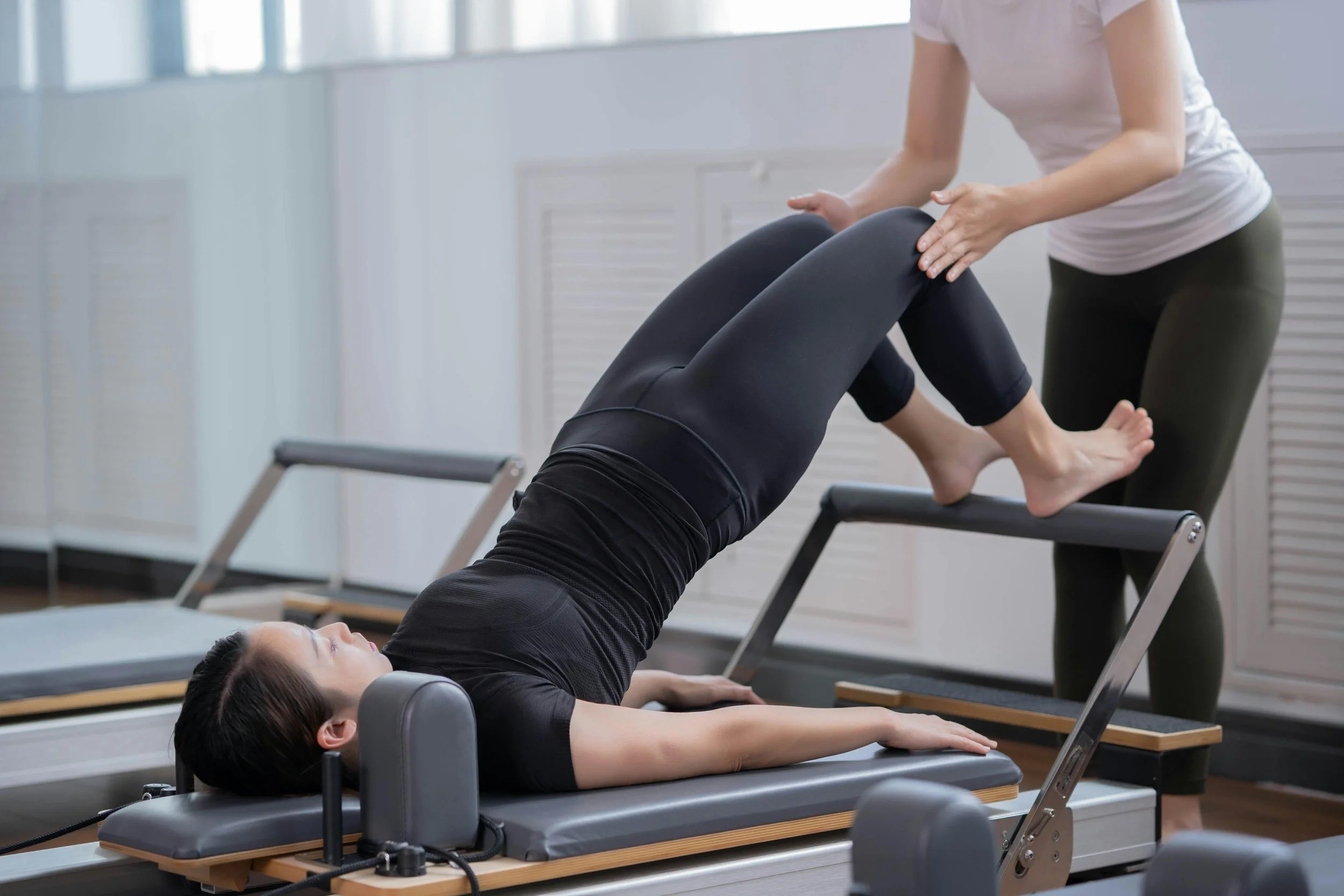
Most of us don’t need a bigger house. We need one room that stops fighting us. If you practice Pilates regularly, you already know how sensitive your body is to space. A tight layout throws off your flow. Clutter nags at you. Bad lighting makes everything feel harder than it is. Remodeling with the goal of creating one flexible wellness room isn’t about building a showroom. It’s about carving out a space that supports movement, stretching, recovery, maybe even ten quiet minutes on the floor, without feeling like it belongs to only one purpose.
Give Yourself Real Floor Space
If you do nothing else, protect your open floor. Pilates needs length and breathing room, not walls lined with equipment. Instead of stuffing everything to the edges, think about how the room naturally wants to be used, the way people talk about in dynamic wellness space zoning approaches, where subtle shifts in layout define purpose without heavy dividers. One side can stay open for movement. Another can hold a small cabinet and a chair for recovery. You don’t need partitions. You need clear pathways and enough uninterrupted stretch to fully extend without thinking about what’s behind you. When the room feels physically open, your practice feels less restricted too.
Fix the Lighting Before You Buy Anything Else
Harsh overhead lighting will make even a beautiful space feel clinical. And dim lighting during strength work can feel dull and unfocused. The trick is giving yourself options, not committing to one mood. Concepts similar to ambient lighting patterns in wellness design show how layering light changes everything without major construction. A simple floor lamp in one corner can make a cooldown feel calmer. Dimmable fixtures give you control during early morning sessions. Even adjusting how natural light enters the room can soften the entire experience. You should be able to shift from energizing to restorative without leaving the space.
Maintain the Parts You Never See
Once you remodel, the invisible systems matter more than they used to. A rattling vent or uneven airflow becomes noticeable fast when you’re trying to concentrate. Staying on top of small fixes, including replacing worn HVAC parts, keeps the room functioning the way you designed it to. This isn’t about obsessing over equipment. It’s about protecting the comfort you invested in. Quiet, steady airflow makes breathwork easier and keeps recovery sessions from feeling stuffy. When the background systems work smoothly, you can focus on your body instead of the building.
Hide the Gear, Keep the Room Calm
Pilates equipment is compact, which means it spreads fast. If you can see everything at once, the room starts to feel busy. Thinking along the lines ofintegrating smart storage and wellness zones helps you place storage where it makes sense instead of treating it as an afterthought. Closed cabinets keep visual clutter down. A built-in bench can double as hidden storage. Even shallow wall units can keep bands, rings, and blocks off the floor without eating into your movement area. When the gear disappears easily, the room feels intentional instead of temporary.
Pay Attention to What’s Under Your Feet
Because Pilates keeps you close to the ground, flooring matters more than people expect. It should feel stable, slightly warm, and quiet. Nothing kills focus faster than a hollow echo or a cold draft running across your mat. Reading through perspectives on HVAC design for multi use comfort needs makes it clear how vent placement and airflow patterns interact with surface materials. If air blasts directly across the floor, you’ll notice it immediately. Softening the acoustics with a rug that can be rolled away or a heavier curtain can also ground the space. You want the room to feel steady and comfortable, not sharp and reactive.
Make Temperature and Airflow Boring
The best compliment your comfort system can get is that you forget about it. Too hot and your muscles fatigue early. Too cold and you tense up. Guidance similar to what’s discussed around HVAC systems for maintaining workout comfort highlights how airflow direction, humidity, and system sizing change how a room performs during movement. You don’t want a vent pointed directly at your torso during breathwork. You also don’t want stagnant air pooling near the ceiling. Small adjustments can make the space feel consistent year round, which is what actually supports long-term routines.
Cleaner Air, Better Breathing
Breath control is central to Pilates, so air quality isn’t a luxury. It’s practical. Dust and stale air make everything feel heavier than it should. Looking at approaches focused on improving indoor air quality with smart systems shifts the mindset from quick fixes to long-term consistency. Better filtration, thoughtful circulation, and sealing obvious leaks all contribute to a space that feels lighter. When the air feels clean, your inhale deepens naturally. That alone changes the tone of a session.
A multipurpose wellness room doesn’t need dramatic design moves. It needs clarity. Open floor space. Adjustable light. Storage that disappears. Surfaces that feel good. Air that stays steady. When those basics are handled with intention, the room stops competing for your attention and starts supporting your routine. And that’s what makes it sustainable.